Visa denna sida på svenska på Film.nu
William Friese-Greene (born William Edward Green) was a British portrait photographer and prolific inventor. He is principally known as a pioneer in the field of motion pictures. On 21 June 1889, Friese-Greene and civil engineer Mortimer Evans patented a 'chronophotographic' sequence camera, which takes its name from a description of the content. However, there is no record of a successful film projection as the claimed demonstration at the Chester Photographic Convention in 1890 was a failure. Friese-Greene's experiments in the field of motion pictures were at the expense of his other business interests and in 1891 he was declared bankrupt. To cover his debts he sold the rights to the 'chronophotographic' camera patent for £500. The renewal fee was never paid and the patent eventually lapsed
Content from Wikipedia provided under the terms of the Creative Commons (CC BY-SA 3.0).


Lists & News
 Movie Villains: They're Just Like Us
 Movie + Snacks: A Great Recipe For Gaining Weight
 Stand-Up: 22 Funny Actors Doing Comedy On YouTube
 93rd Academy Awards: The nominations are here!
 Cannes 2021?: The world's premier film festival aiming for July
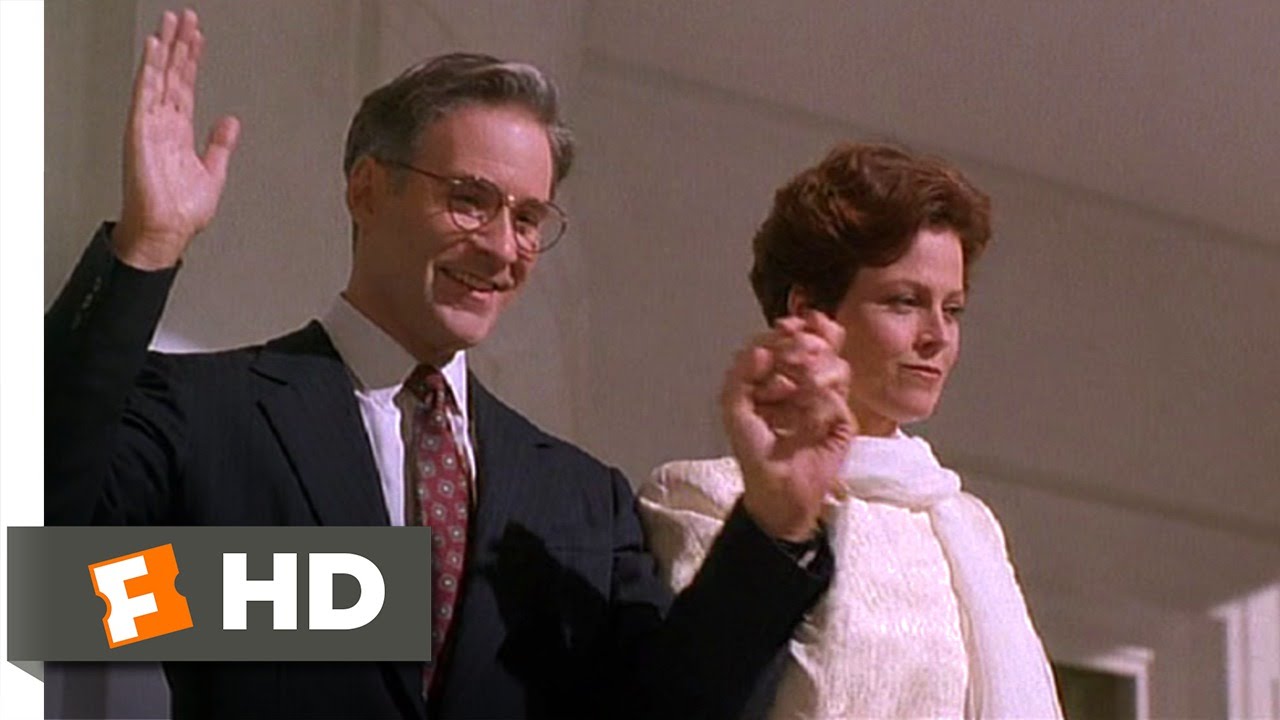 U.S. Election Day 2020: 15 Political Comedies To Stream Before You Vote
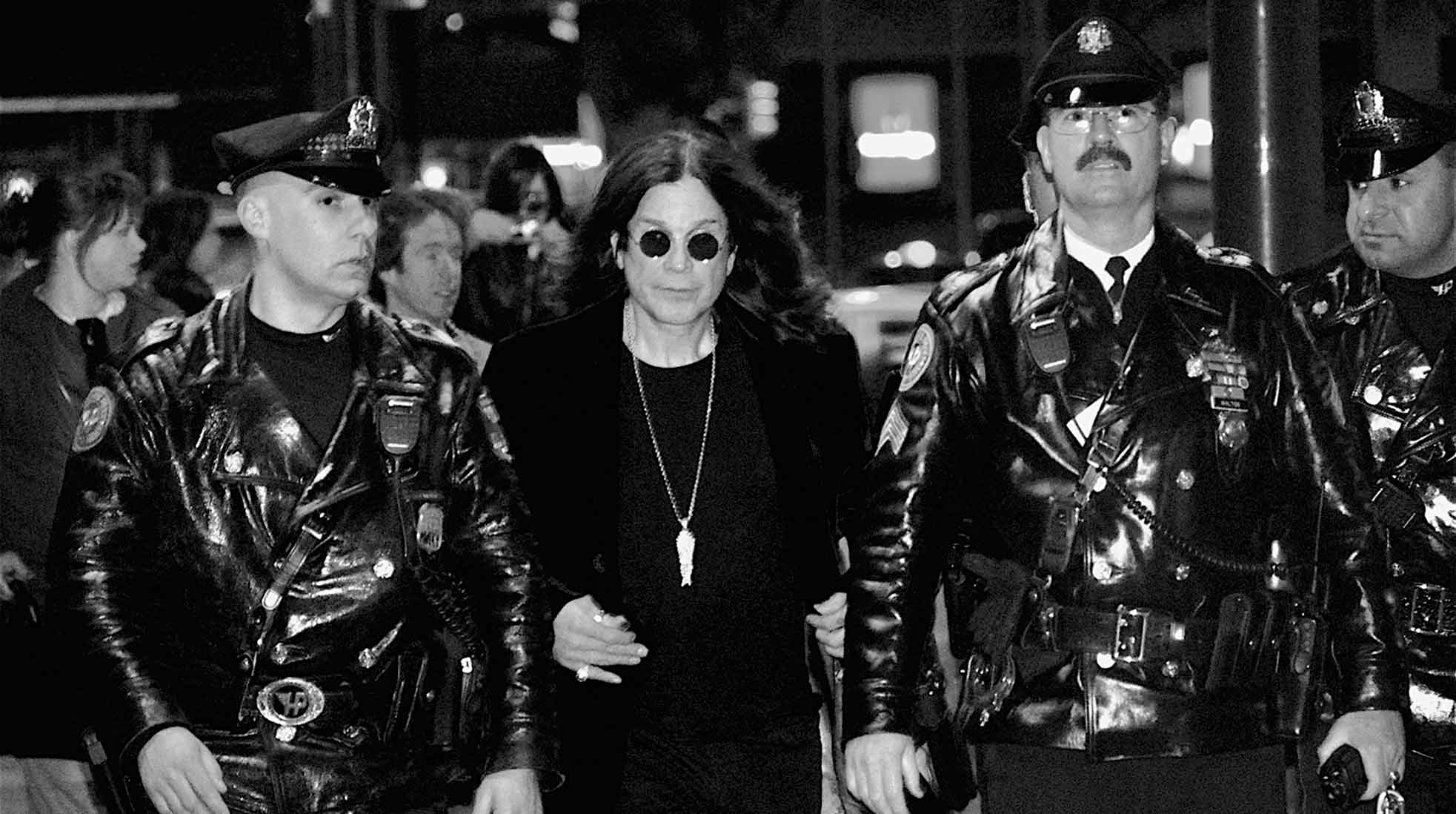





Is this page about you? The information we have obtained is in whole or in part from The Movie Database (TMDb). You may request that we remove all personal information we have stored about you by sending us an email and include the URL of this page. Explain who you are, so we know you are the person this page is about. To delete your data from TMDb, you must contact them separately.
William Friese-Greene
Born 1855-09-07 (170 years ago). Dead 1921-05-05 (65 years).
Find out more about William Friese-Greene
The Movie Database
Your opinion about William Friese-Greene?